
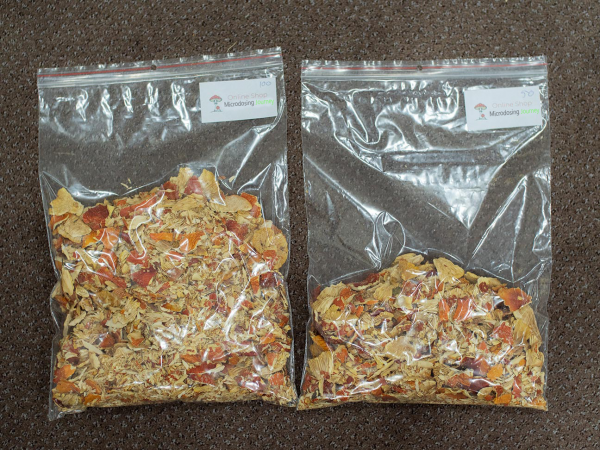
Known commonly as fly agaric, Amanita muscaria has attracted scholarly attention for centuries. Across different cultures, the mushroom appears in folklore, traditional narratives, and academic literature. As a result, researchers continue examining its significance from historical, biological, and anthropological perspectives.
Today, interest extends beyond mycology alone. Instead, discussions often include consciousness studies, cultural history, and fungal science. For readers seeking additional educational resources, the Psychedelics Place Home page offers further information:
https://psychedelicsplace.com/
Throughout Northern Europe and parts of Asia, Amanita muscaria appeared in stories, legends, and symbolic traditions. Over time, communities assigned different meanings to the mushroom based on local beliefs and customs. Consequently, historians frequently analyze written records and oral traditions to better understand these cultural connections.
Beyond folklore, ethnomycologists study how societies interacted with fungi throughout history. Likewise, anthropologists investigate relationships between mushrooms, cultural identity, and traditional practices. Therefore, Amanita muscaria remains relevant within multiple academic disciplines.
To learn more about the educational goals of Psychedelics Place, visit:
https://psychedelicsplace.com/about-us/
Interest in Amanita muscaria spans several scientific fields. While mycologists focus on fungal classification and ecology, psychologists often explore questions involving perception and consciousness. Meanwhile, historians evaluate historical documents and cultural records.
For example, some researchers compare descriptions from different societies to identify recurring themes. In contrast, biological studies examine fungal characteristics and environmental relationships. Because these approaches complement one another, the subject continues attracting academic attention.
Educational information from Harvard University provides additional resources related to biological science and research:
From a scientific standpoint, Amanita muscaria possesses a distinct chemical profile. Specifically, academic literature frequently discusses compounds such as muscimol and ibotenic acid. Due to these characteristics, researchers often evaluate fly agaric separately from other mushroom species.
Strong Word: Significant
Strong Word: Respected
Strong Word: Established
Within research settings, evidence-based analysis remains essential. Consequently, peer-reviewed publications serve as valuable references for ongoing study. In addition, scientific databases provide access to current and historical research findings.
Readers can explore research databases through:
Similarly, Encyclopaedia Britannica offers educational background information:
Whenever psychoactive organisms become subjects of discussion, education deserves careful attention. Rather than relying on unsupported claims, researchers prioritize documented evidence and scholarly analysis. As a result, readers gain a more balanced understanding of available information.
Emphasized Word: Education
Emphasized Word: Research
Emphasized Word: Evidence
Additionally, academic institutions encourage critical evaluation of sources. At the same time, peer-reviewed studies help strengthen understanding of complex topics. Therefore, responsible learning remains a central component of scientific discussion.
Questions regarding educational resources can be directed through:
Across psychology, neuroscience, anthropology, and philosophy, interest in consciousness studies continues expanding. As new research emerges, scholars gain additional insight into human experience and cultural history. Furthermore, interdisciplinary collaboration supports a broader understanding of complex subjects.
Rather than relying on a single perspective, contemporary researchers often integrate historical, biological, and cultural evidence. Consequently, Amanita muscaria remains relevant within discussions involving symbolism, cognition, and human consciousness. Ultimately, continued scholarship contributes to a deeper appreciation of the relationship between fungi, culture, and scientific inquiry.
Internal Links
Home:
https://psychedelicsplace.com/
About Us:
https://psychedelicsplace.com/about-us/
Contact Us:
https://psychedelicsplace.com/contact-us/
External Links
Harvard University:
https://www.harvard.edu/
National Center for Biotechnology Information:
https://www.ncbi.nlm.nih.gov/
Encyclopaedia Britannica:
https://www.britannica.com/
Blog Tags
amanita muscaria, dried muscaria powder, fly agaric mushroom, consciousness studies, neuroscience research, ethnomycology, fungal science, mushroom history, psychology research, academic research

Reviews
There are no reviews yet.